Grasses enjoy freedom: freedom to roam, carried on the wind or by animals, and freedom to settle, easily establishing themselves. These characteristics have made them a success and now they occupy the earth, surviving in the extremes: coldest, hottest, wettest and driest. Here we think not of their movement across the earth or across time but their movement in response to wind or sun.
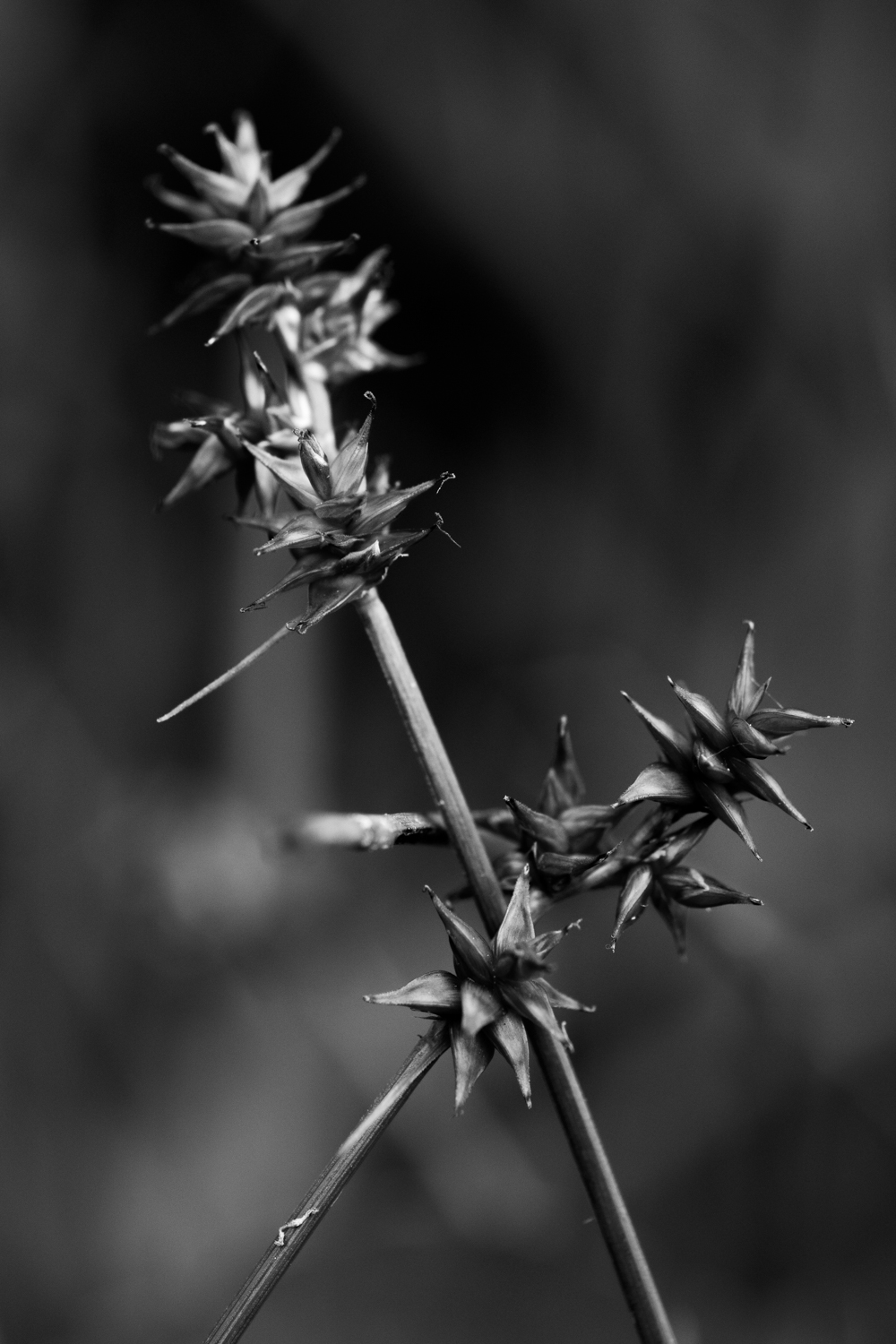
Star Sedge
Carex echinata
I am the tiny star sedge
looking to the sky above my head
I’m growing, spreading star-wise
closely linked to starry skies
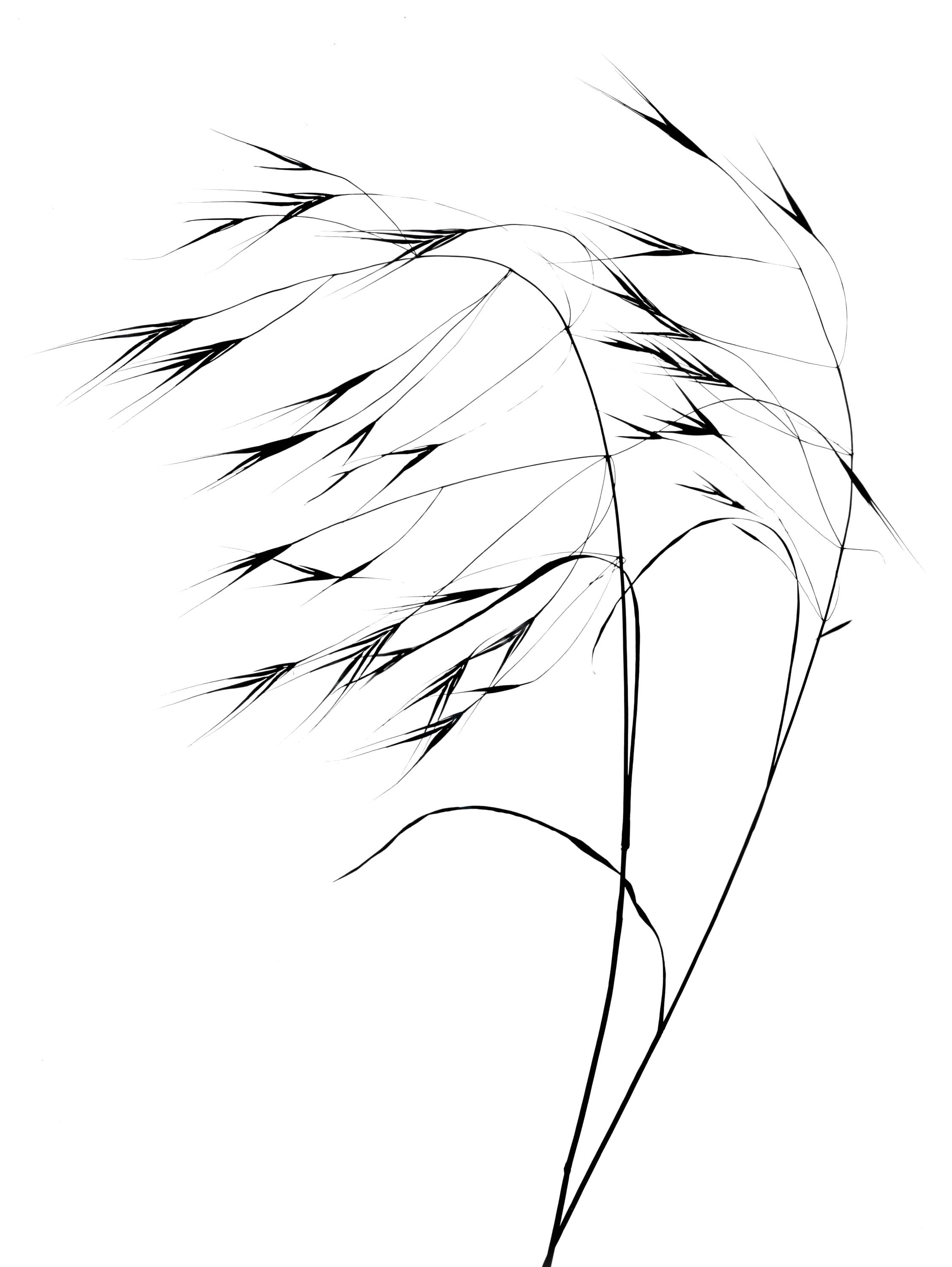
Barren Brome
Bromus sterilis
you turned up with me
growing by my bench
in early summer
tall and handsome
broad leaves tapering
to a fine point
slender stem with clusters
of drooping spikelets
swaying on the breeze
a weed of the wayside
with loose nodding panicle
flowering beside me
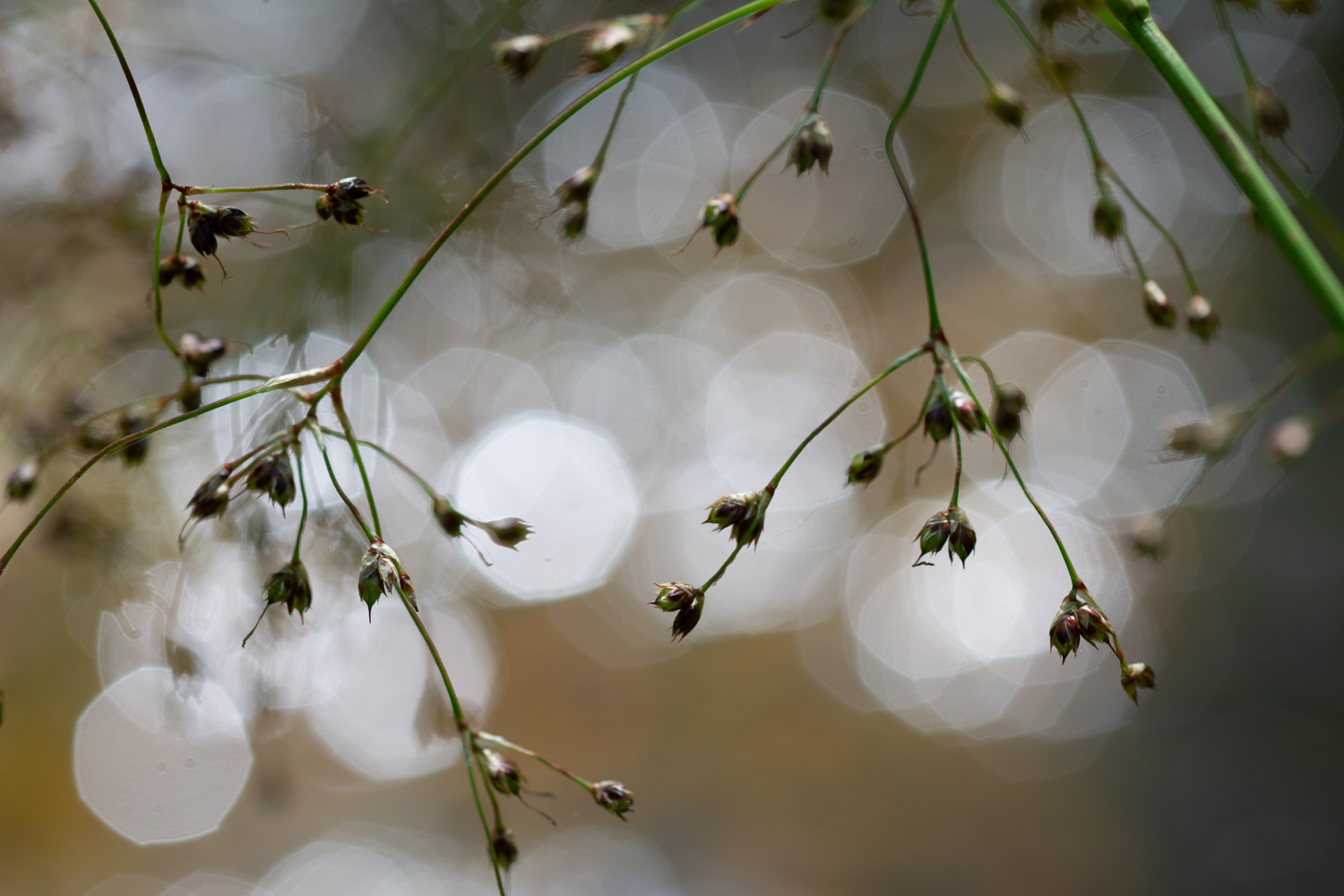
Great Wood-rush
Luzula sylvatica
Yes by a burn in Achnagairn woods
the gleam that lives among the leaves
silvers our land, lights luminous globes,
lamps that shine in the darkest weather.
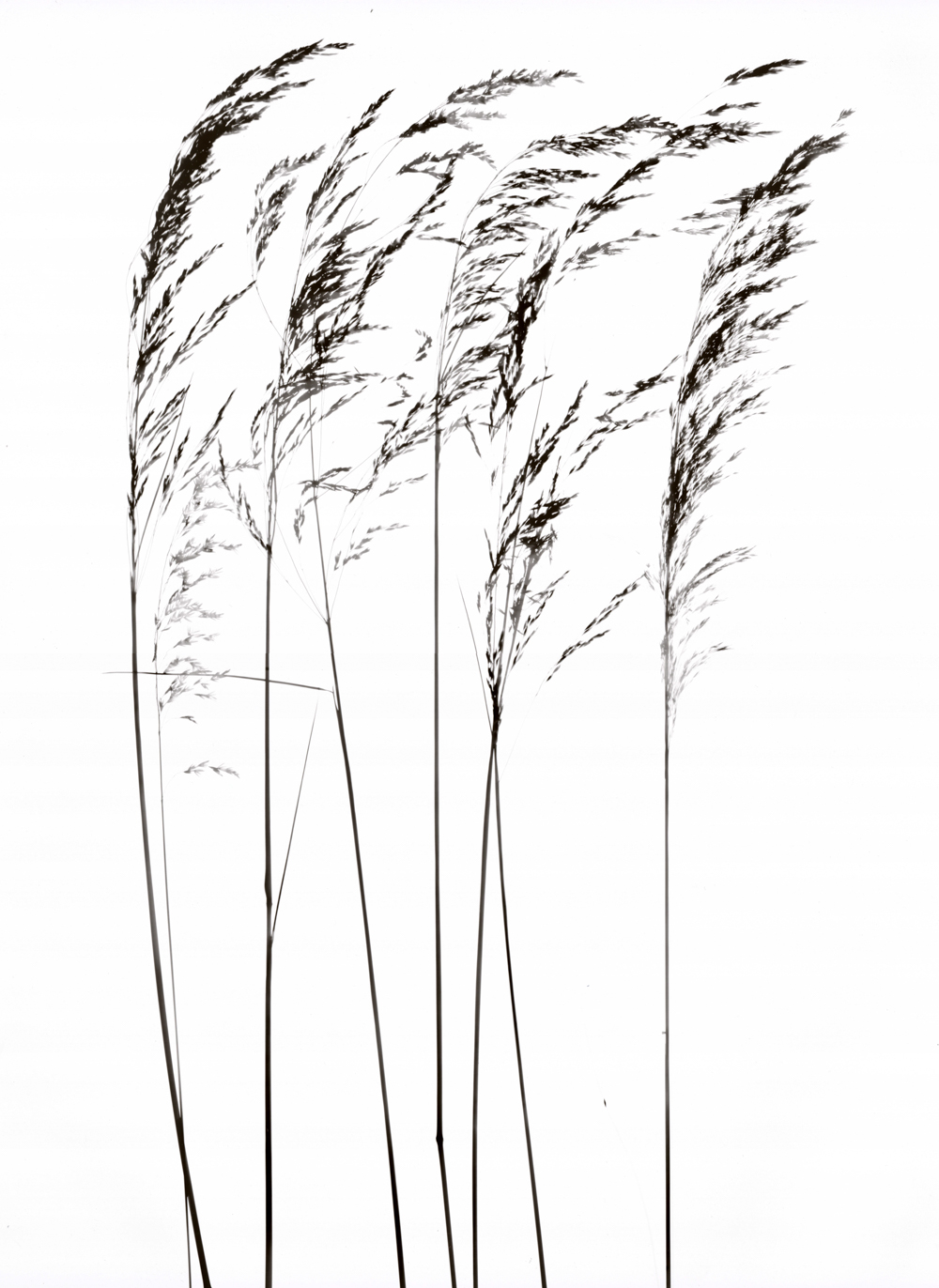
Tufted Hair-grass
Deschampsia cespitosa
Familiar grass, its panicles silver-grey, showy,
quivering in the breeze, flashing light-rays
from glossy glumes, airy and glittering, rising
out of hassocks, rough caps, growing in any soil,
can even tolerate spoil heaps near heavy metals.
 WHEN THE GRASS DANCES