In our poems and photographs we have encompassed the graminoid sedges and rushes, alongside the true grasses. On first making acquaintance with grasses, we found them complex and difficult to understand in all their variety. Soon enough though, we came to discern them by those essential parts that make grass grass. The underlying architecture is constant and quite simple, the variation in detail almost infinite.
One guide has been Agnes Chase’s classic First Book of Grasses: Structure of Grasses Explained for Beginners, first published in 1922. Lesson one is on morphology, the structure of grass and the names used to describe the various parts. The culm (aerial stem) is (mostly) hollow, with one to several solid nodes along its length. The leaf blades alternate in rows on opposite sides of the culm. They vary between species – for instance in being flat or in-rolled, hairy or smooth, with tips hooded or not. Each leaf is attached to a sheath that surrounds the culm and at this attachment you will find, if you peel back the blade, a thin membrane facing the stem called the ligule. This tiny part of grass requires a hand lens to reveal its shape – a useful clue to identify which grass you are encountering. Inflorescence is the name for the flowering part; it may take the form of a loose branching cluster, or a more or less dense cylinder. In flowering season the grasses can express themselves in brightly coloured anthers and delicate feathery stigma. With each species timing its shedding, the air swirls with pollen, viable only briefly and reliant on the wind to find a partner. There is a lot going on, and it’s been going on all around us wherever we live.
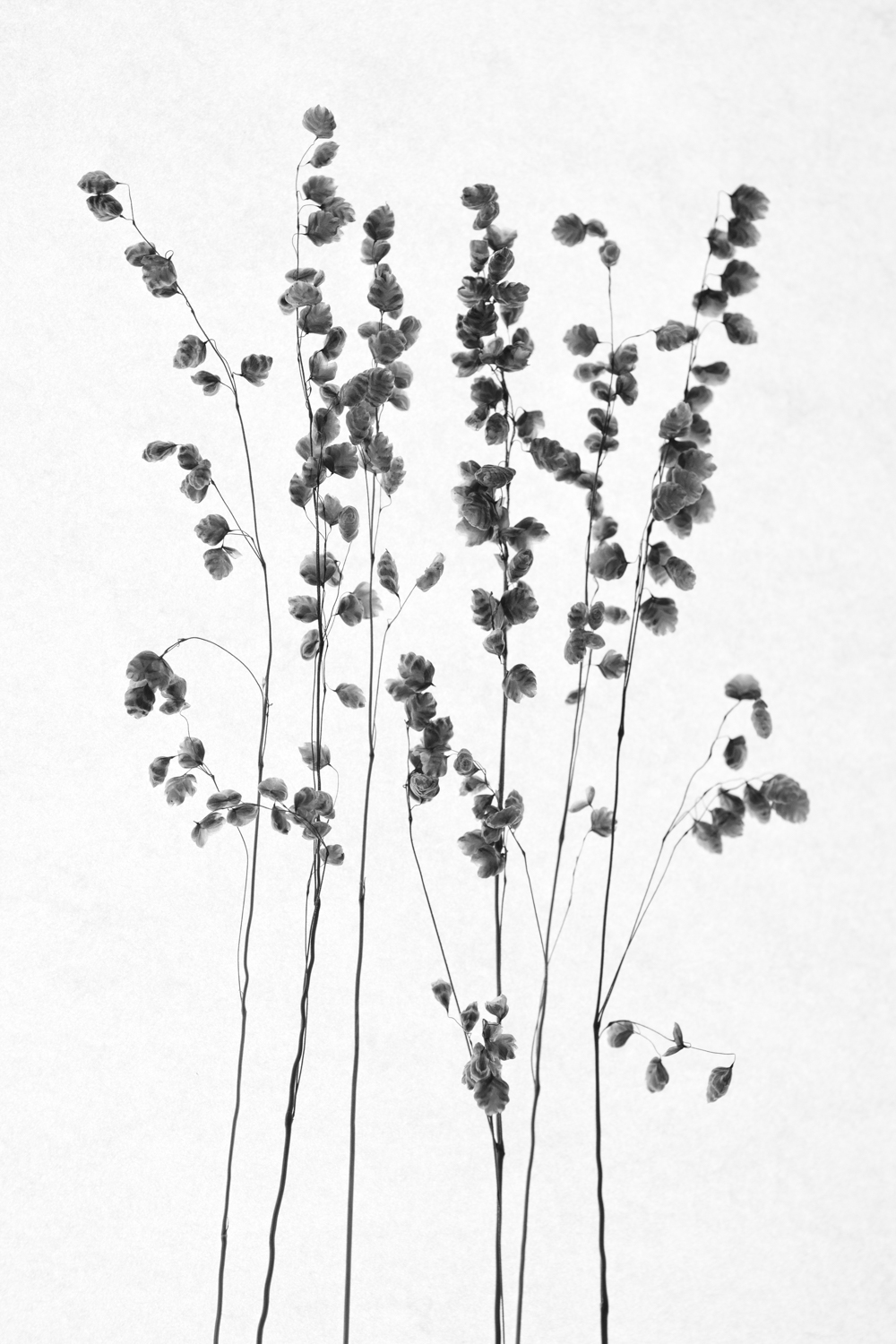
Quaking-grass
Briza media
Shakie tremlies
Siller shakers
Shivering grass
Waverand at ilka wind
and thirled by a fitstep on approche
Gang warily by the quakin-gress
that grows aroon the bobbinqua
Sweet Vernal-grass
Anthoxanthum odoratum
The hill-pasture is a pleasant place
when sweet vernal-grass is blowing,
its flavour always good to taste
while the summer hayfield’s growing,
filled with essential oil of coumarin, flushed,
and its scent strongest when cut or crushed.
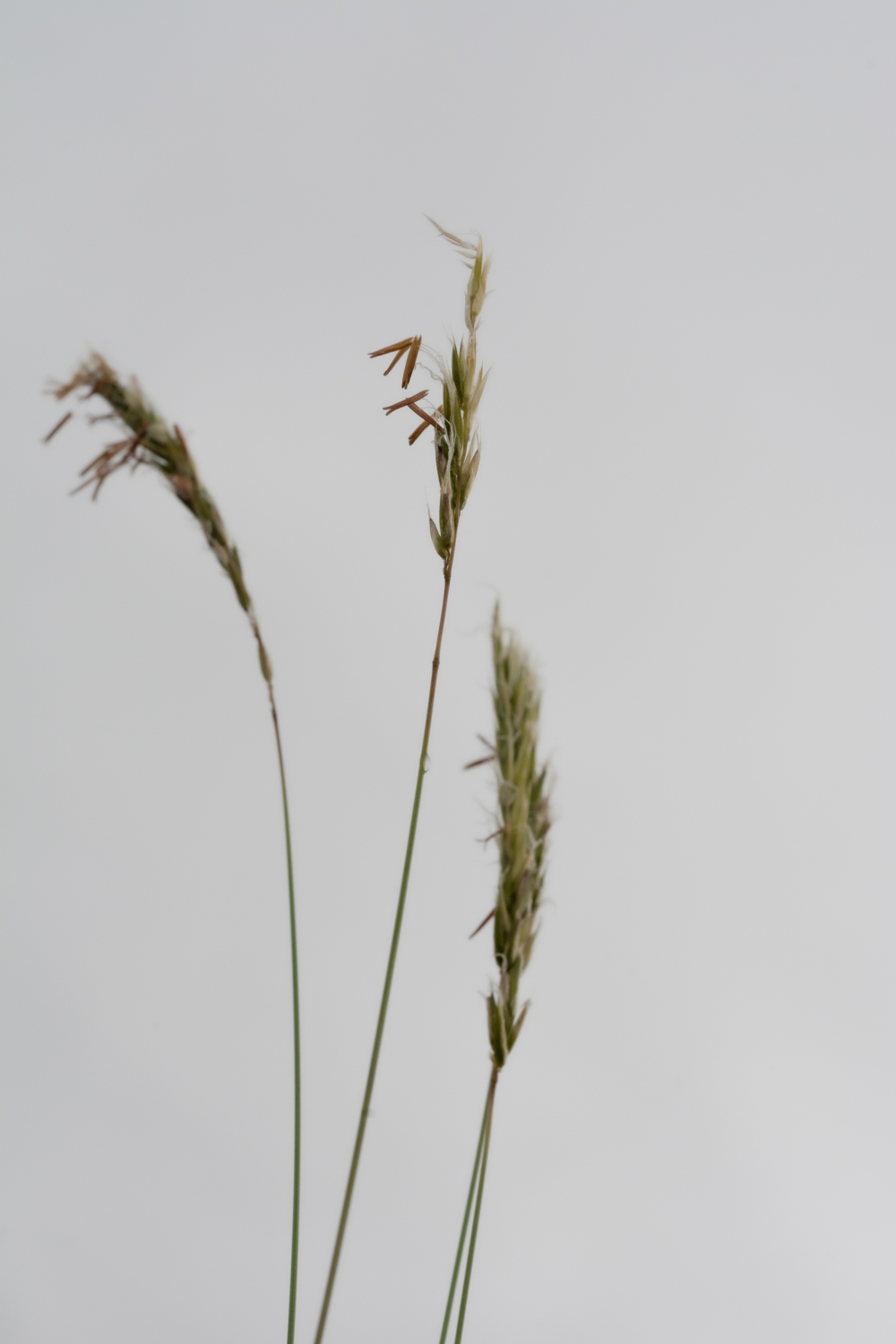
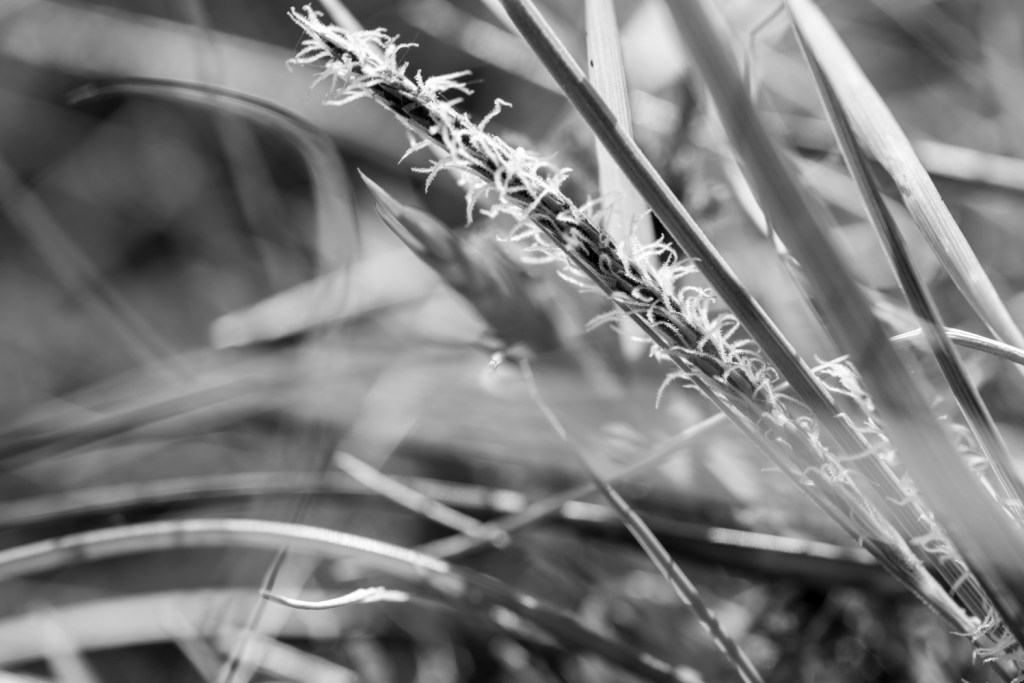
Mat-grass
Nardus stricta
Mat-grass found uprooted on the heath,
too harsh to eat, avoided by the sheep,
take these tufts into your hand,
feel the grass of bairnheid land.
Where wiry stems of mat-grass grow,
bright purple spikelets in two rows
are always pointing just one way,
a finger-hold upon a summer day.
bairnheid: childhood
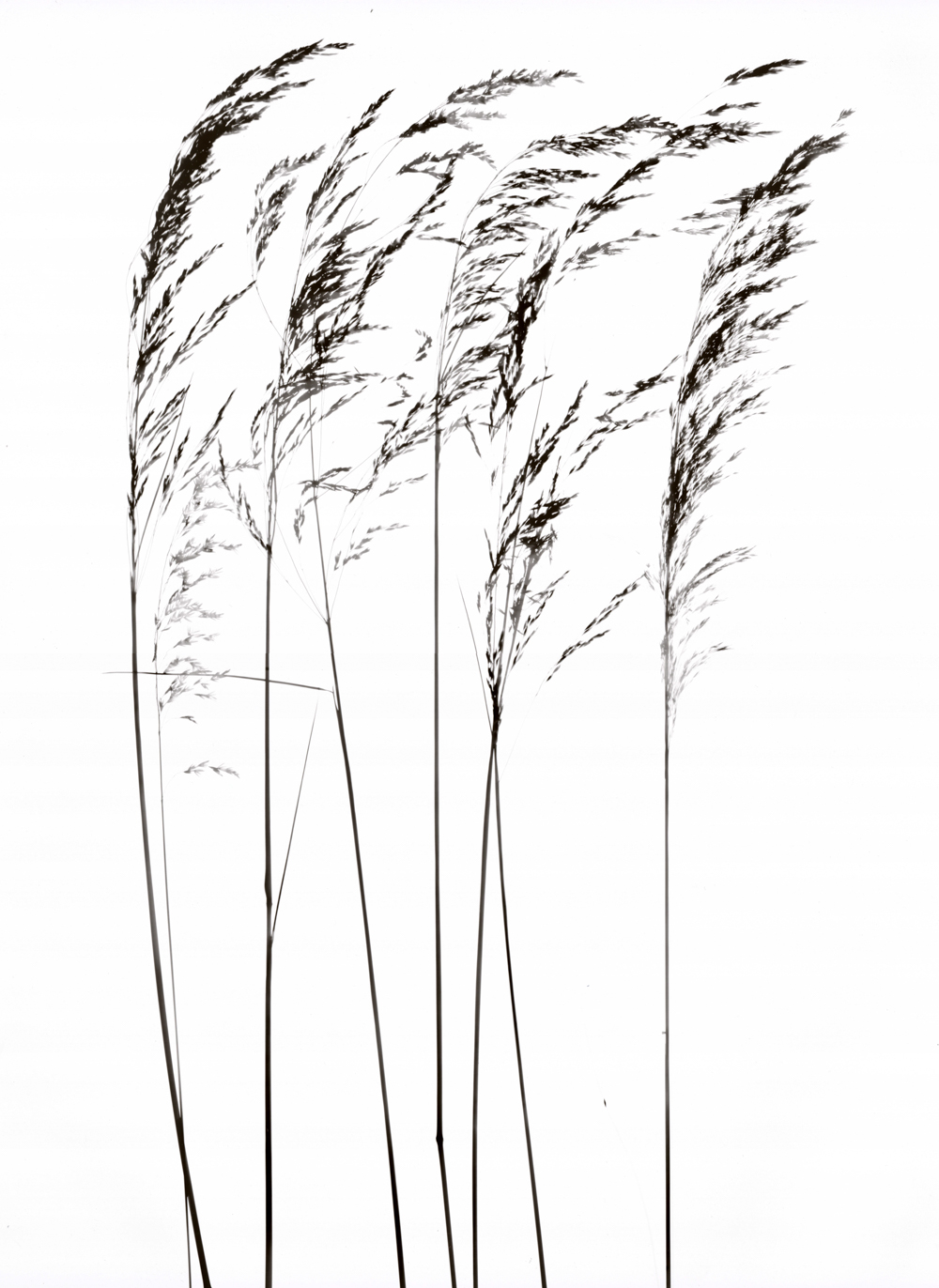
Windle Strae
Deschampsia cespitosa
In June, you will want to walk again
where the old map shows a farm by the name
of Windle Strae, those long thin stalks
and coarse leaves of tufted hair-grass.
On a corner of the hospital building-site
it meets you, standing tall to greet you
with a wave of proliferating spikelets.
It is growing on the spoil-heap,
preparing to outlast the new construction.
It surprises you with silvery panicles,
this is how you will always find it
on the slope where its name is standing.
 WHEN THE GRASS DANCES