Grass above the ground sustains humans bodily, feeding the world whether by direct consumption or via the animals who themselves eat grass. As Chapman writes in ‘An Introduction to the Grasses’:
…in a hungry world grasses are the centrepiece of agriculture and when we look at one damaged environment after another, grasses offer us some of the best hopes for rehabilitation.
Grasses can also sustain the human soul, giving us the greenness we need to soothe our minds and reconnect us to nature wherever we are. Grass grows between the cracks in pavements, along the roadside, in our gardens, parks and meadows, it is accessible. It also has the potential to sustain our future, our continued existence.
Species-rich grasslands are valuable carbon stores, locking away carbon in roots and soil. Living soil, aerated by earthworms, is nutrient rich, fed by the grassroots. That depth of storage makes it a stable carbon sink. Trees store the majority of their carbon above ground, grasslands store theirs mostly below. The deep down storage protects it from wildfire and disease and subsequent carbon release. We need woodlands and peatlands and we need grasslands.

Marram
Ammophila arenaria
Marram, the grass which binds
the young sand dunes
its strong roots
sometimes twenty feet long
creep through shifting sand
its sea-green leaves
slowing down the wind
a glossy grass
protects the coastline
constructs the ecosystem
planted for this purpose
it creates vast areas
as the dunes become fixed
and as other plants colonise
marram gives way to them
Holy-grass, a blessing
Hierochloe odorata
Holy-grass is sweetgrass
on chapel floors strewn wide,
sweetgrass is holy-grass
running streams fructified.
Braids of gold and green
their own scent will keep,
hung above beds serene
to bring a blessed sleep.


Bright green of the grasses around the spring
show the place where you’ll find healing
Stour falls
Bide here while girse grows and watter rins
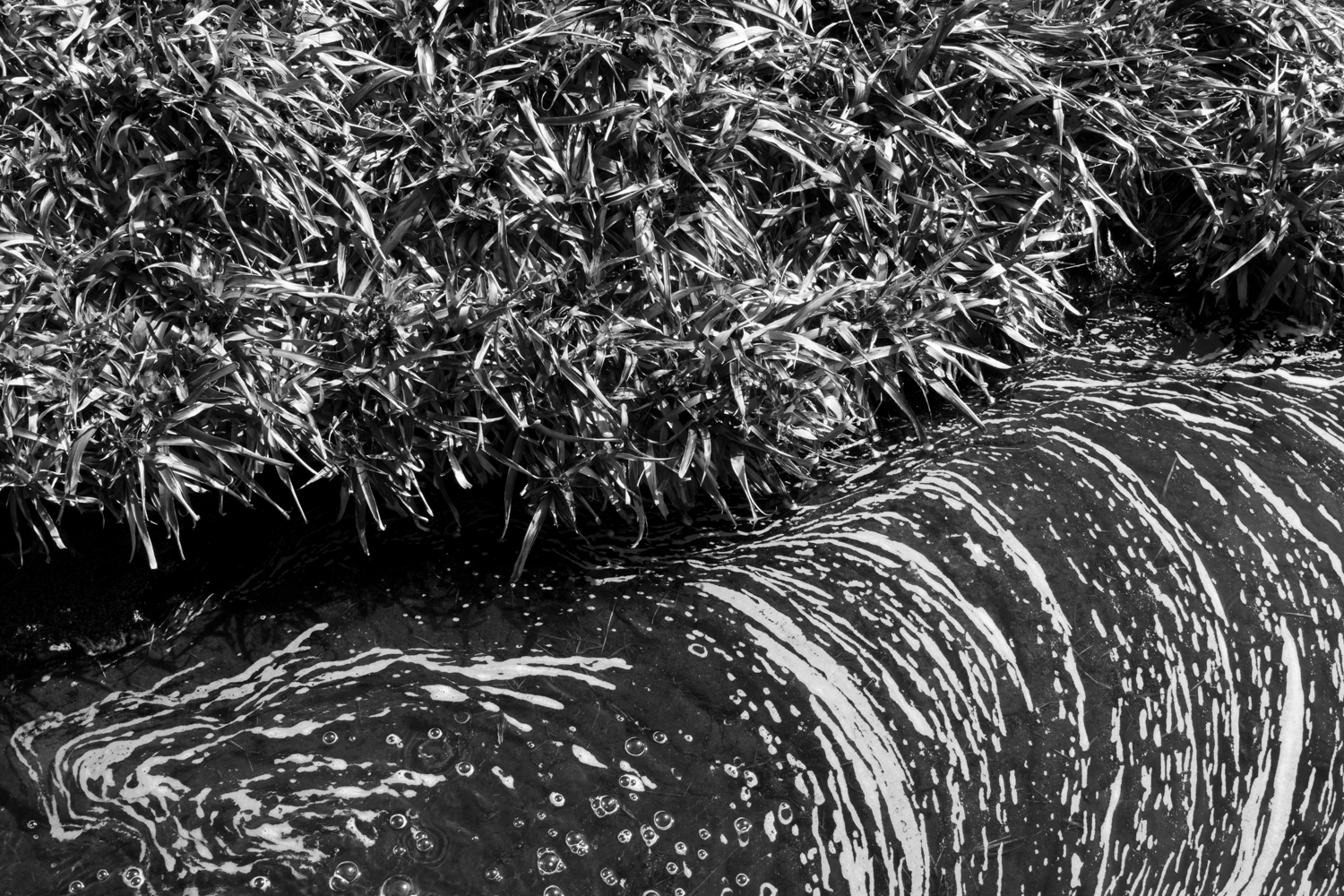
 WHEN THE GRASS DANCES